Project deadlines
Installations, show dates, customer appointments, and event windows create real consequences when freight runs late.
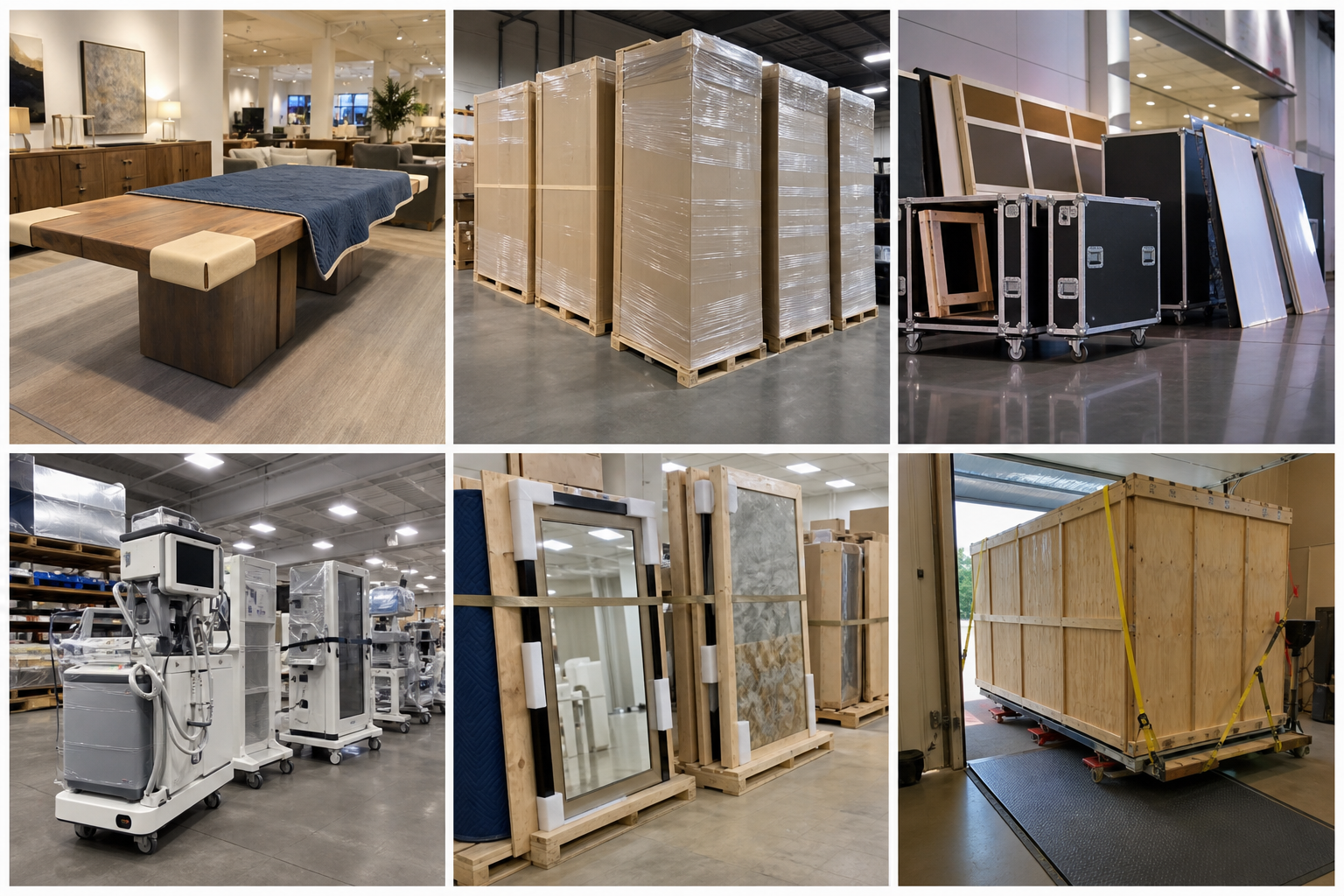
What HHX moves
HHX is built for business shipments where the item, deadline, destination, or customer experience makes a loose carrier handoff too risky.
Product-led logistics
A dining table, booth crate, diagnostic device, display fixture, or fragile finished product each creates a different risk profile. HHX looks at the product first, then the deadline, destination, access, and handoff.
Product types
The goal is simple: help shippers recognize the kind of product they move before asking them to choose a logistics category.
 Furniture and finished goods
 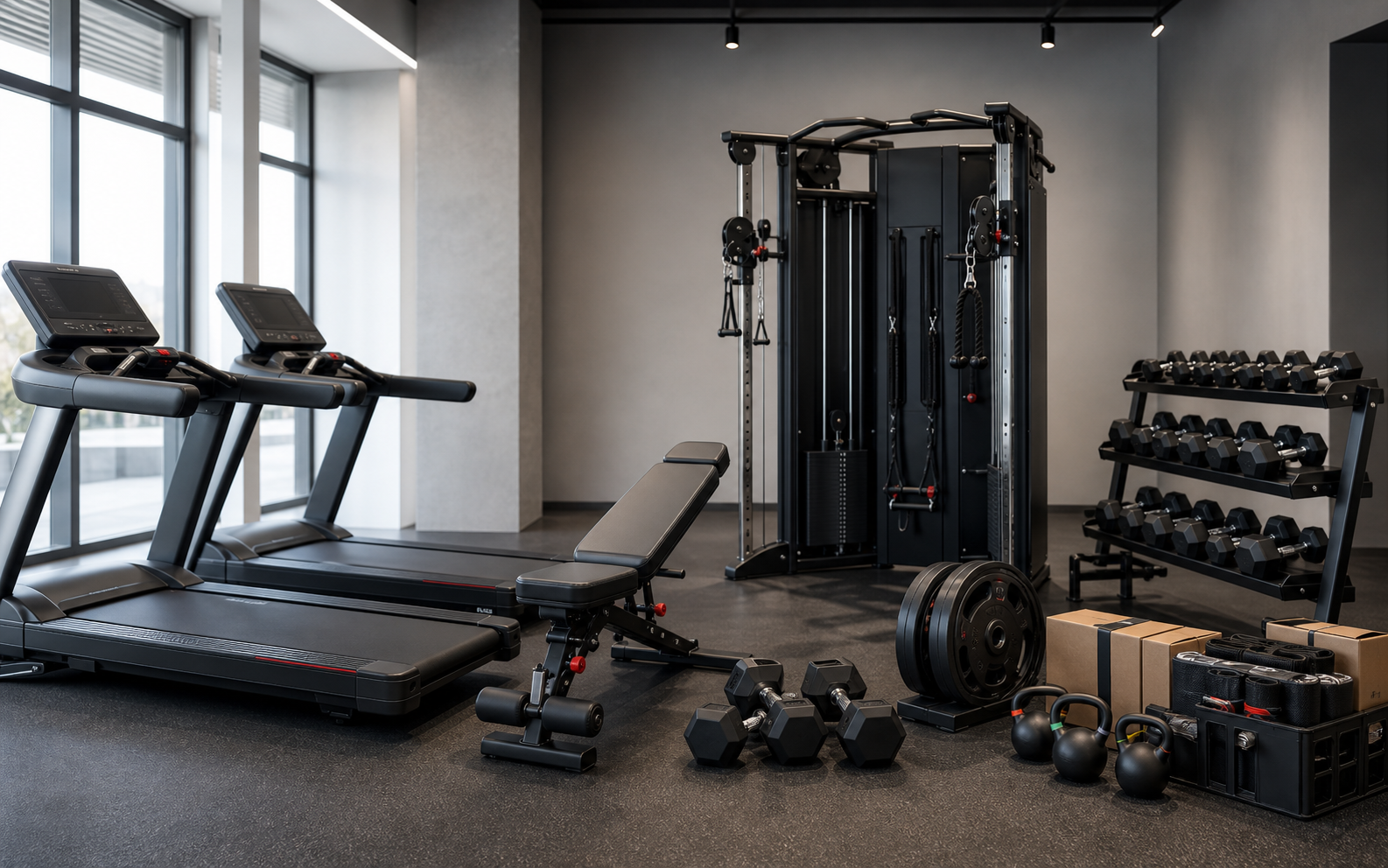 Fitness and commercial equipment
 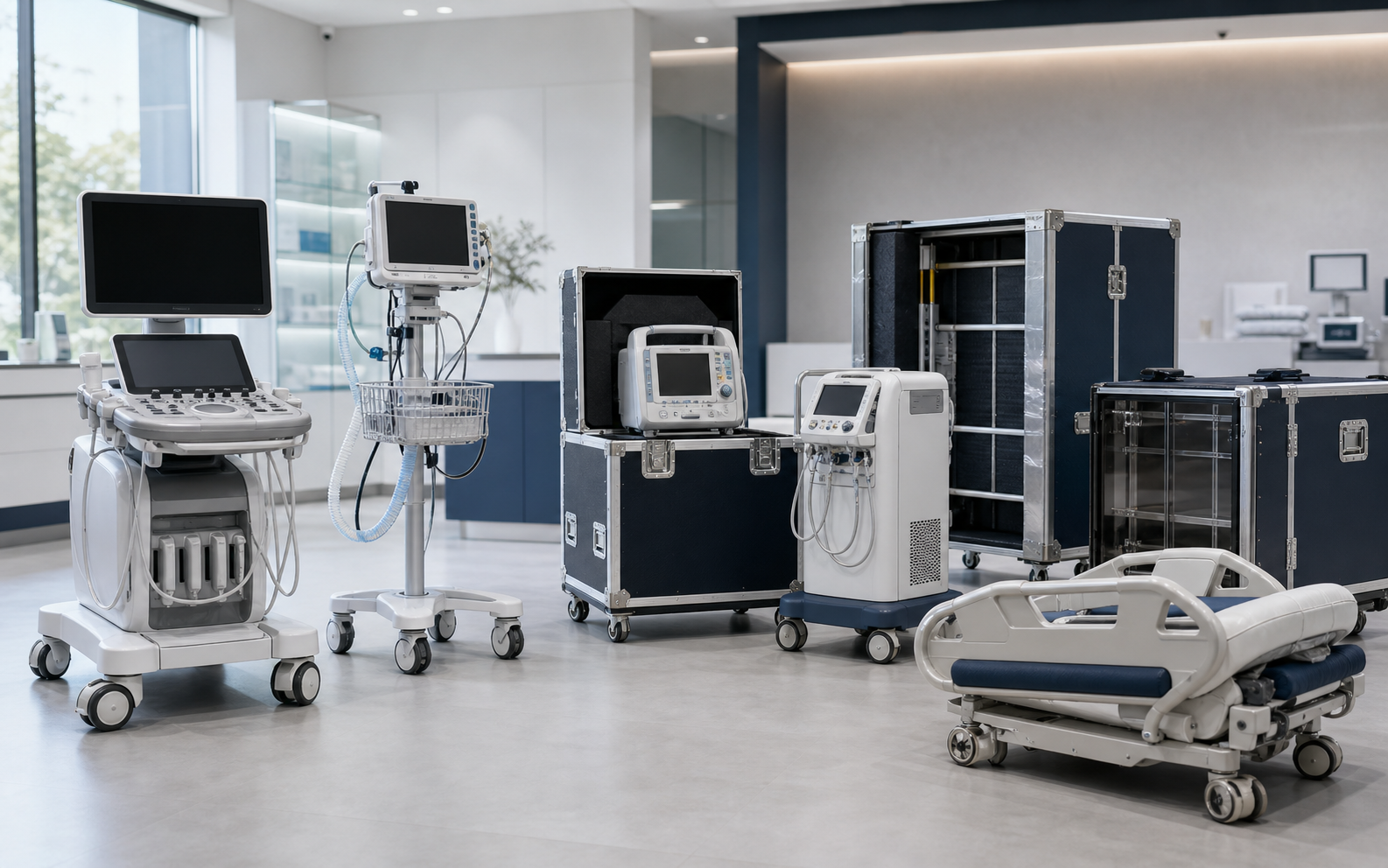 Medical and technical equipment
 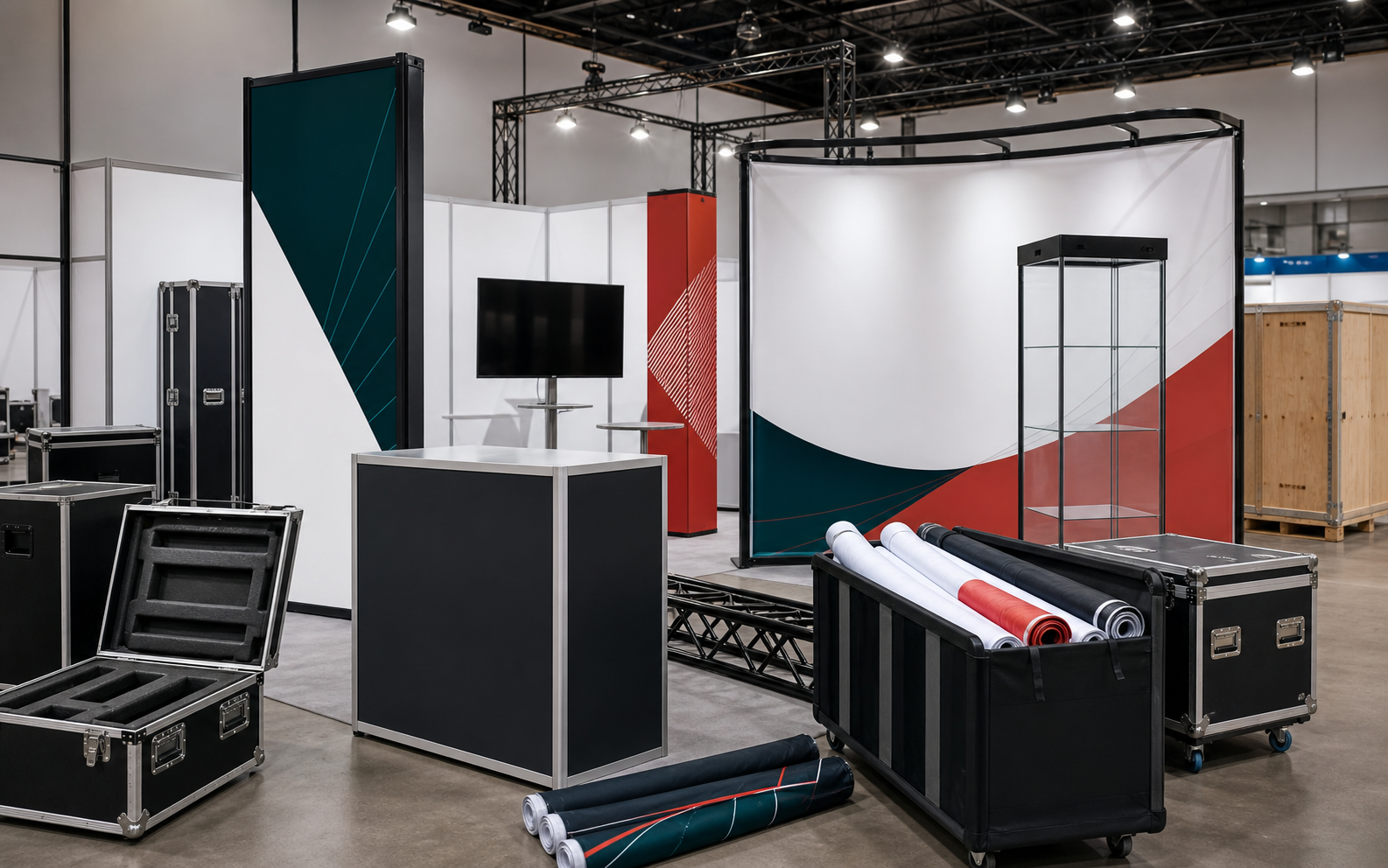 Trade show and event materials
 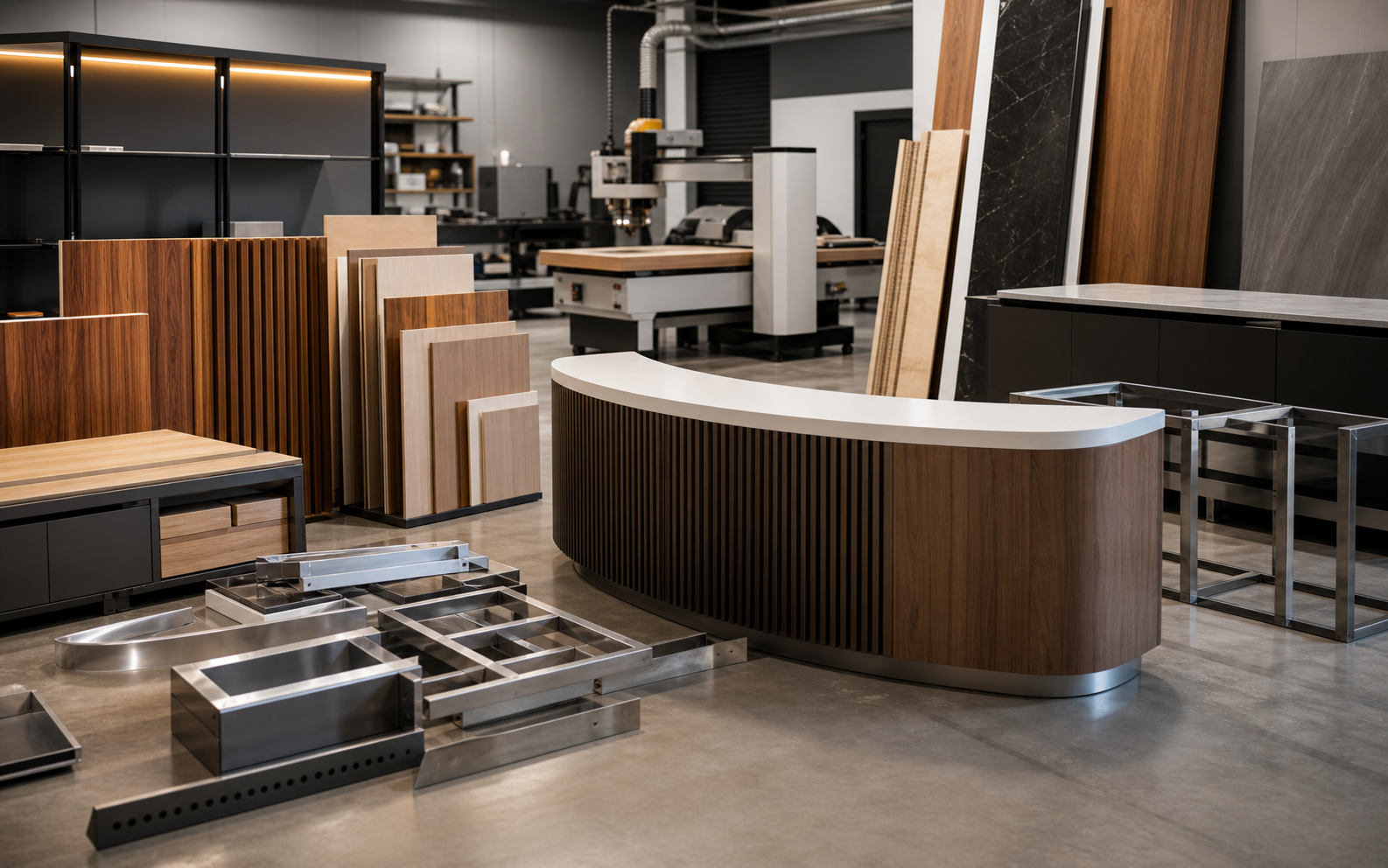 Millwork, machinery, and fixtures
  Art, glass, mirrors, and fragile goods
 What this can include
This page should answer the simple question first: what kind of item are we talking about? The service path comes after the product, destination, timing, and handling risk are clear.
Finished pieces where surfaces, placement, and customer presentation matter.

Product groups where the receiver cares about finish, count, condition, and delivery sequence.
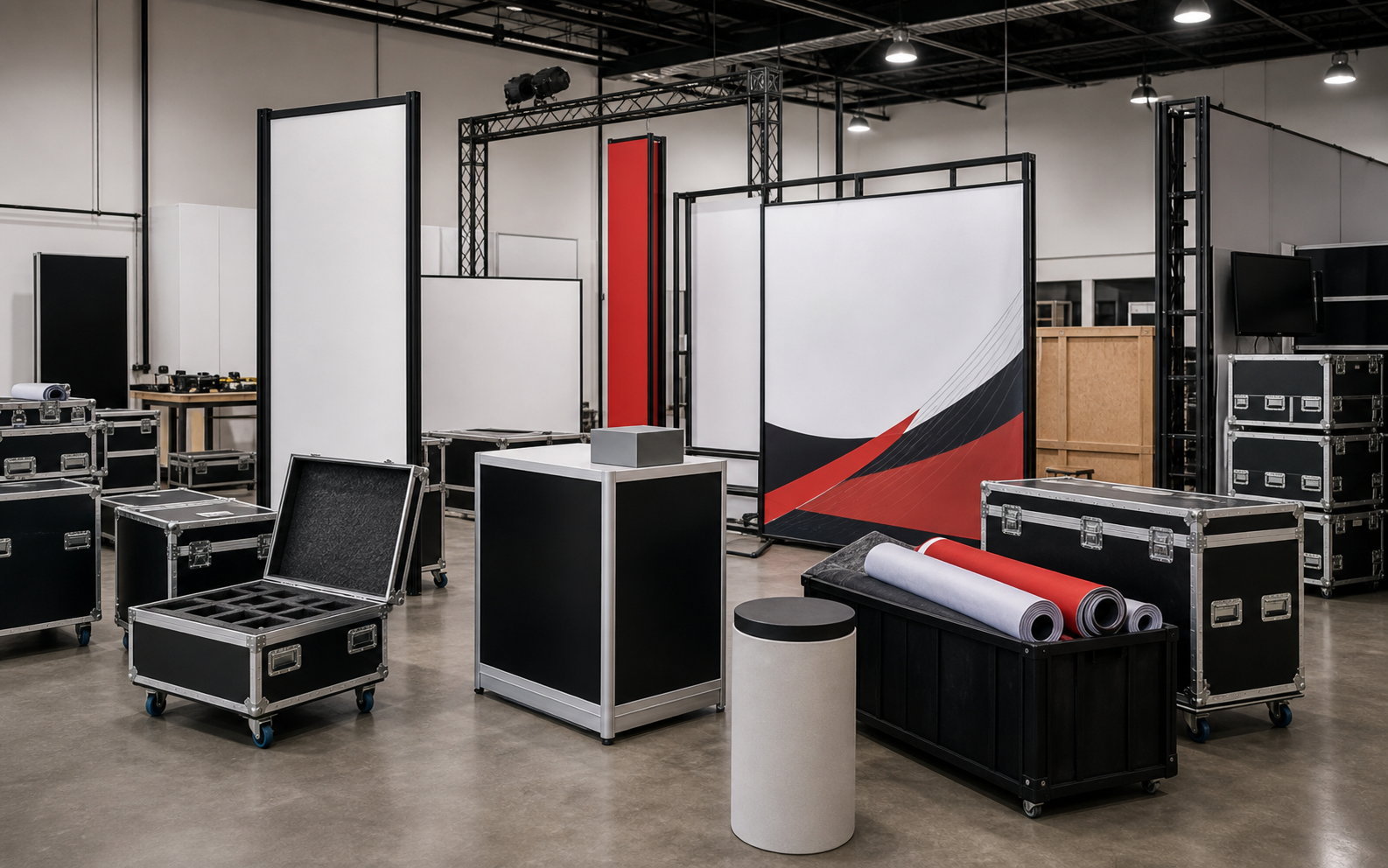
Event freight where install windows, venue access, and return timing drive the plan.
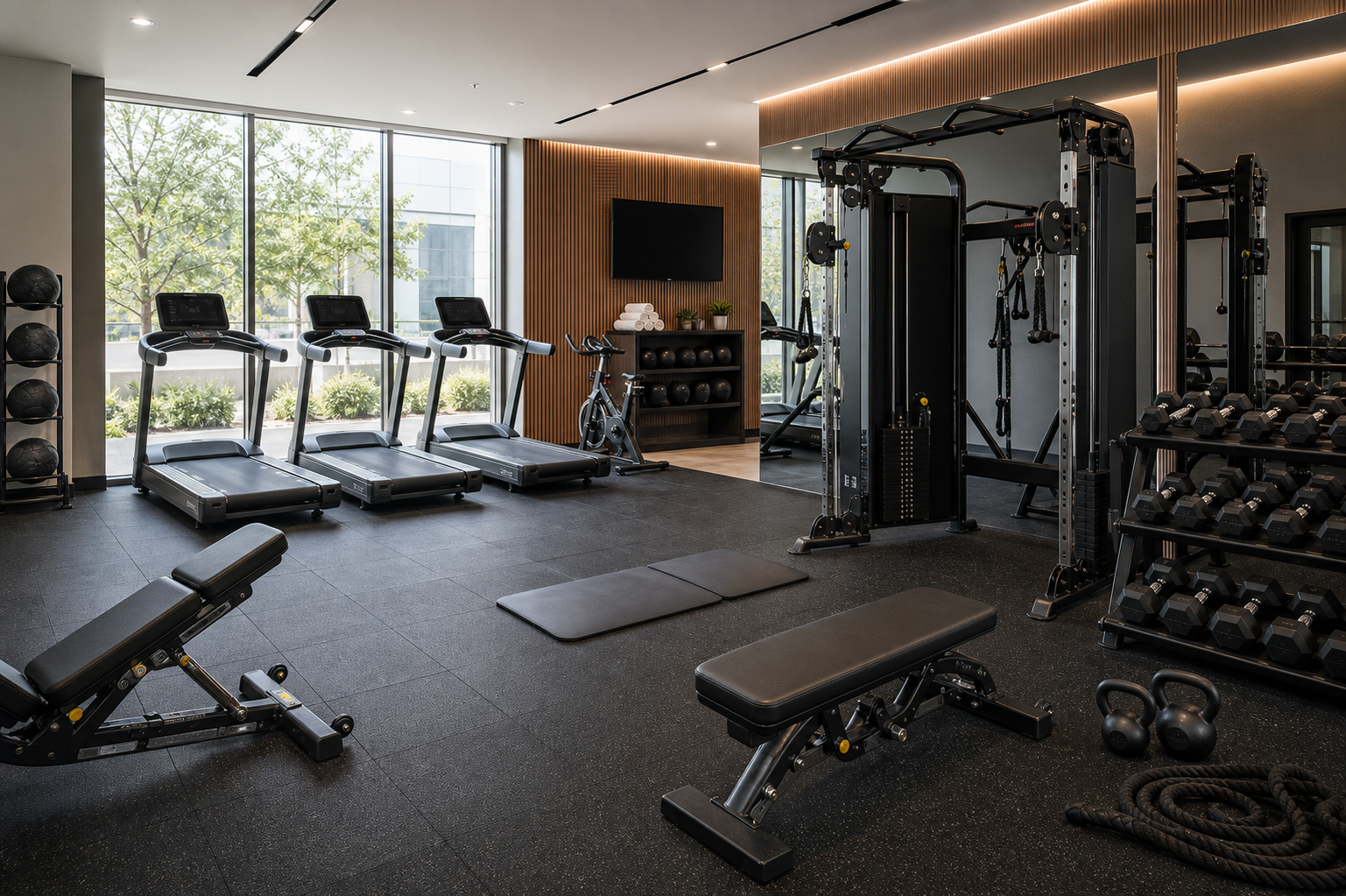
Heavy equipment programs where final placement matters as much as transport.
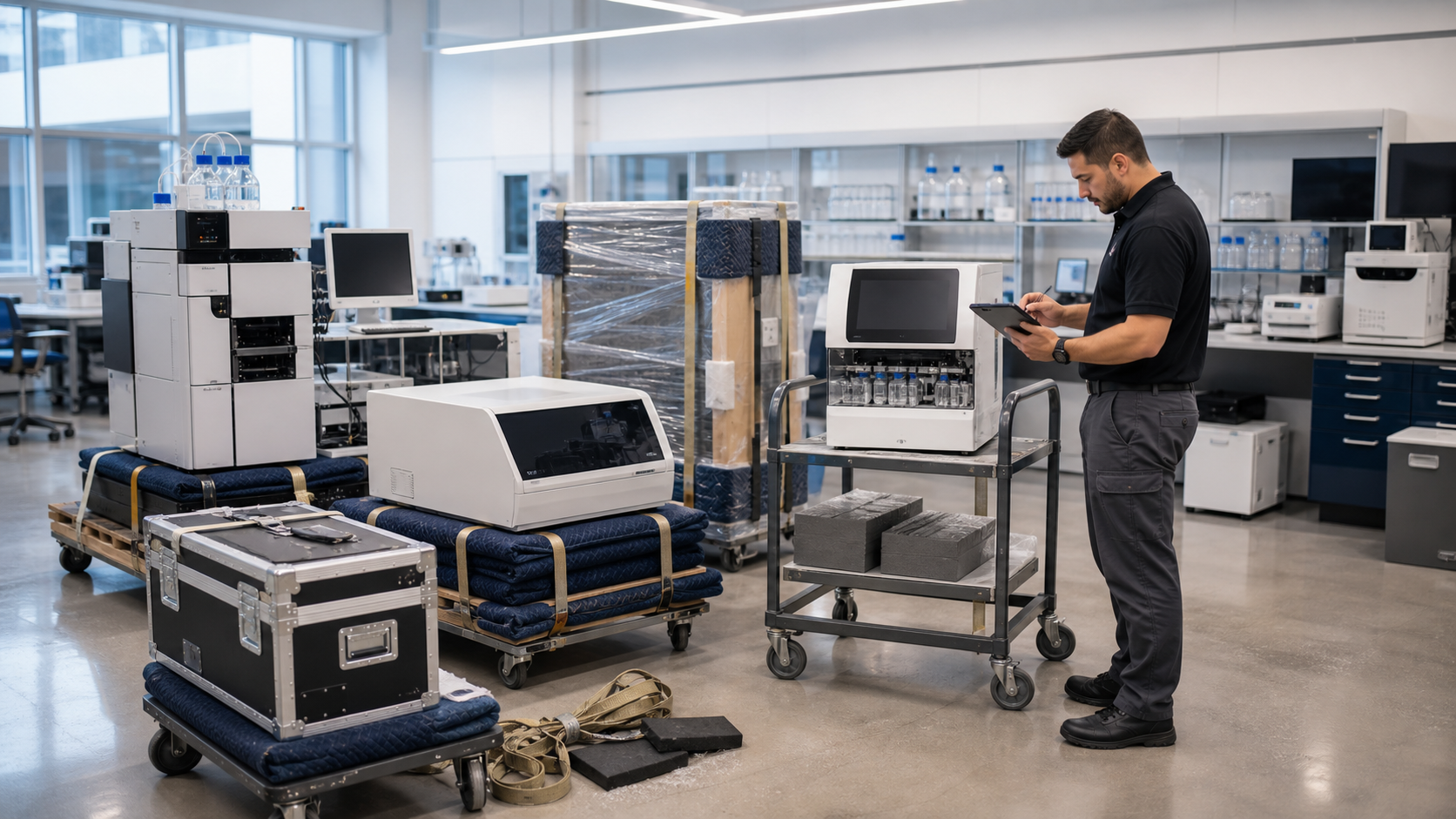
Equipment shipments where receiving, protection, and room-ready delivery need coordination.
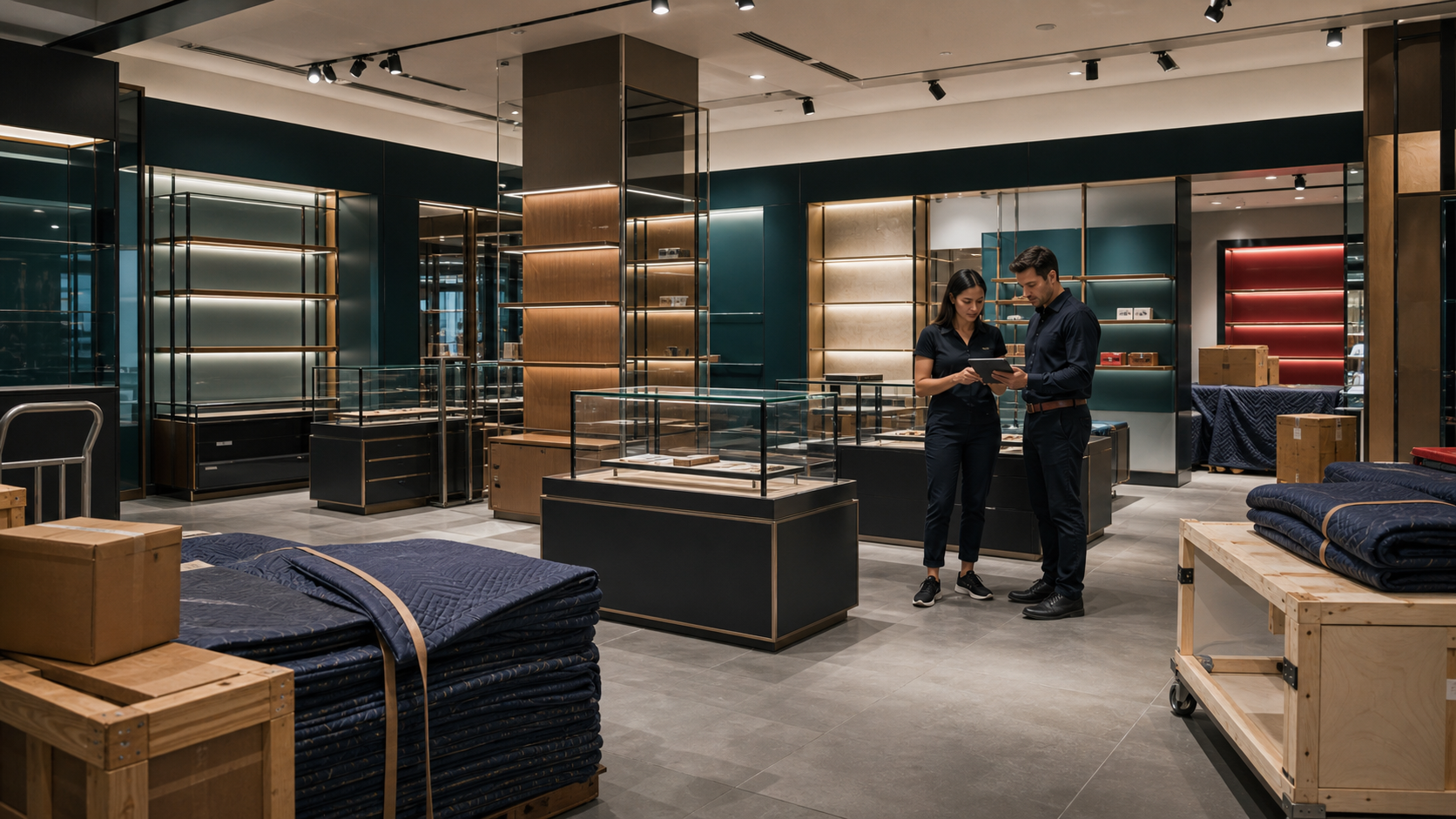
Customer-facing fixtures where finish, placement, and setup timing affect the brand experience.
Delicate items that need condition awareness, protection, and careful final handoff.

Finished products where delivery condition and presentation are part of the brand experience.
Equipment programs where route, access, weight, and receiving details change the handoff.
Trade show goods where the date, venue, return plan, and condition notes all matter.
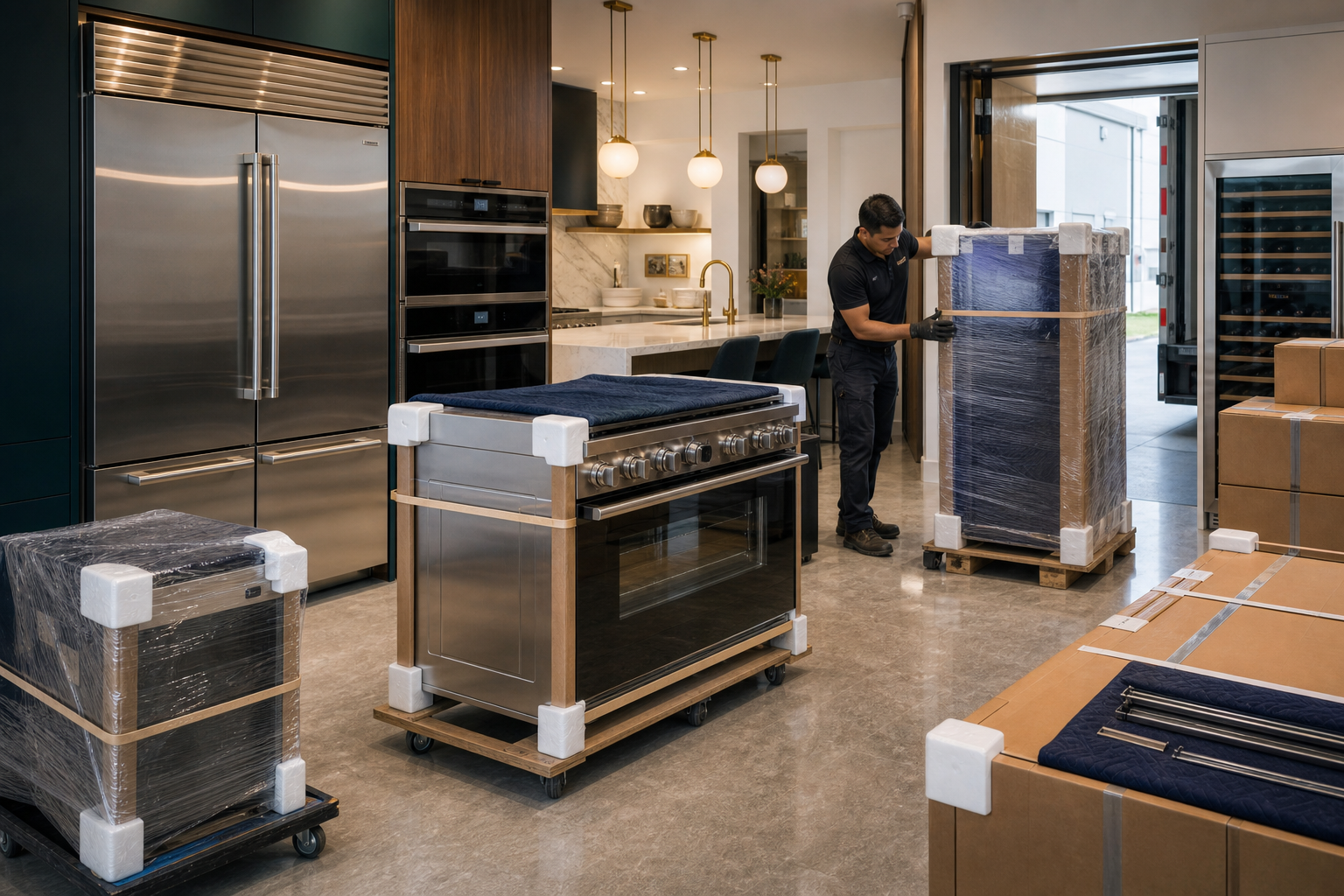
Large finished products where surfaces, access, packaging, and receiver readiness matter.
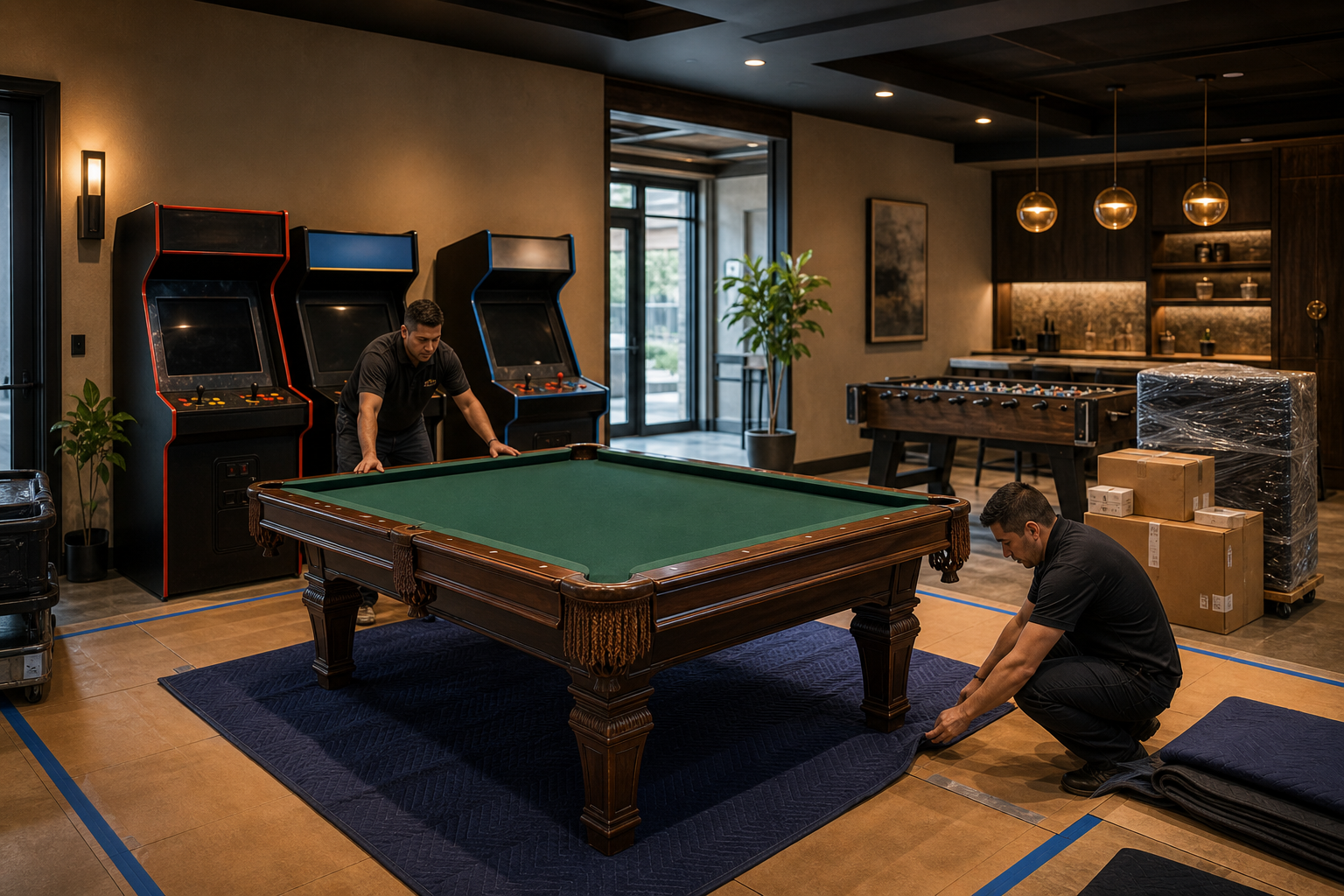
Heavy finished products that need planning around weight, protection, turns, and placement.
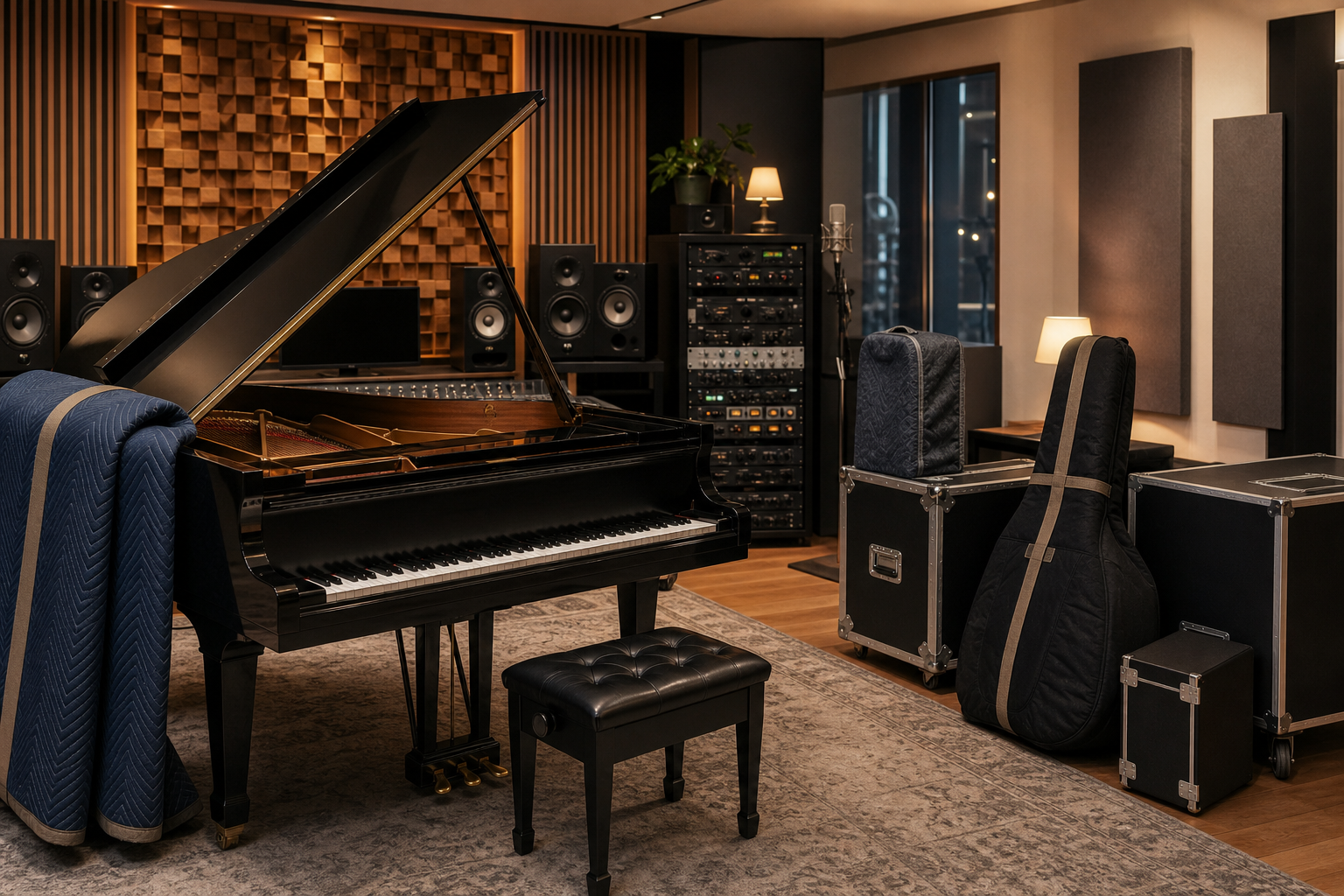
Sensitive finished products where condition, surface protection, access, and placement all matter.
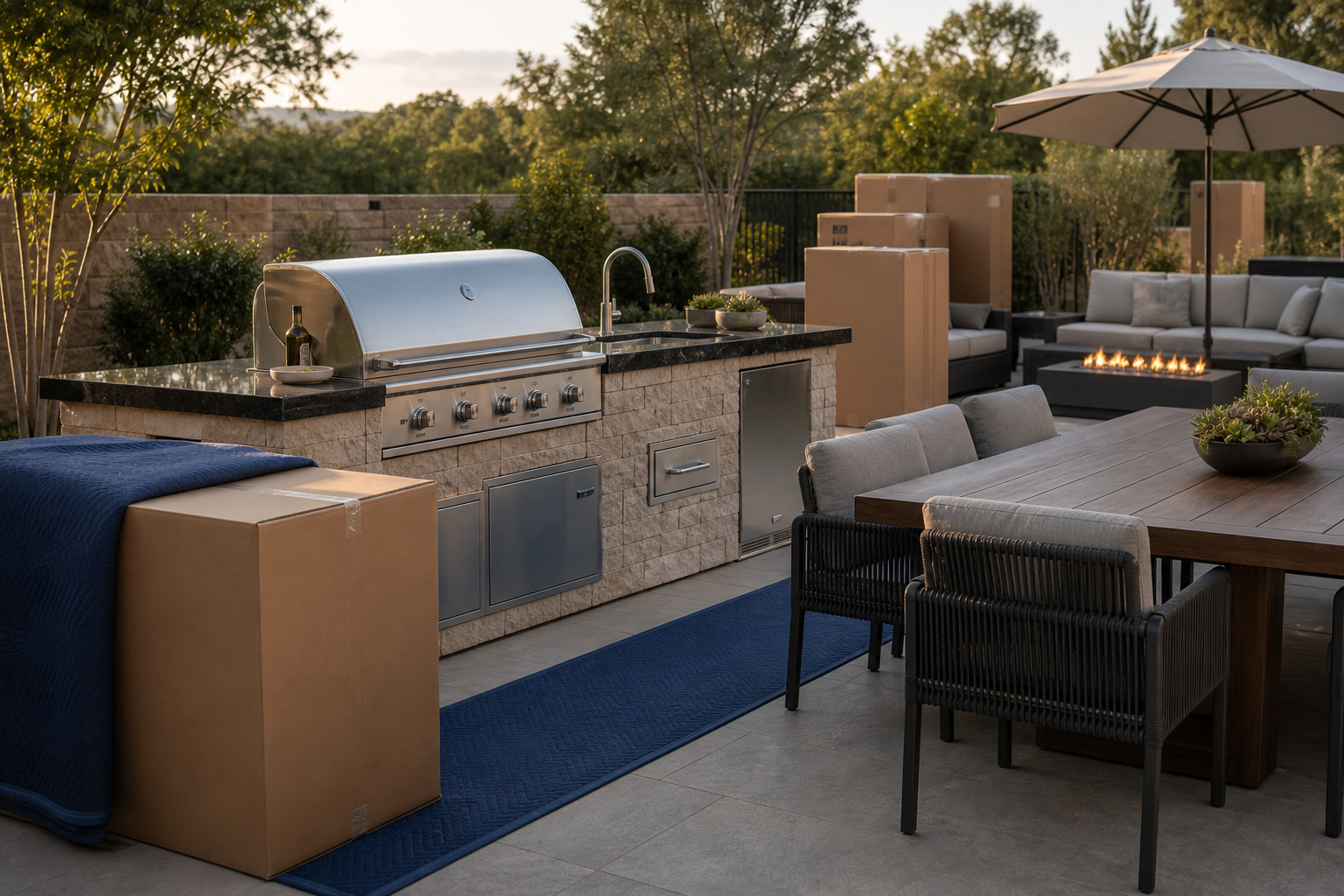
Oversized outdoor goods where dimensions, access, surface protection, and site readiness shape the move.
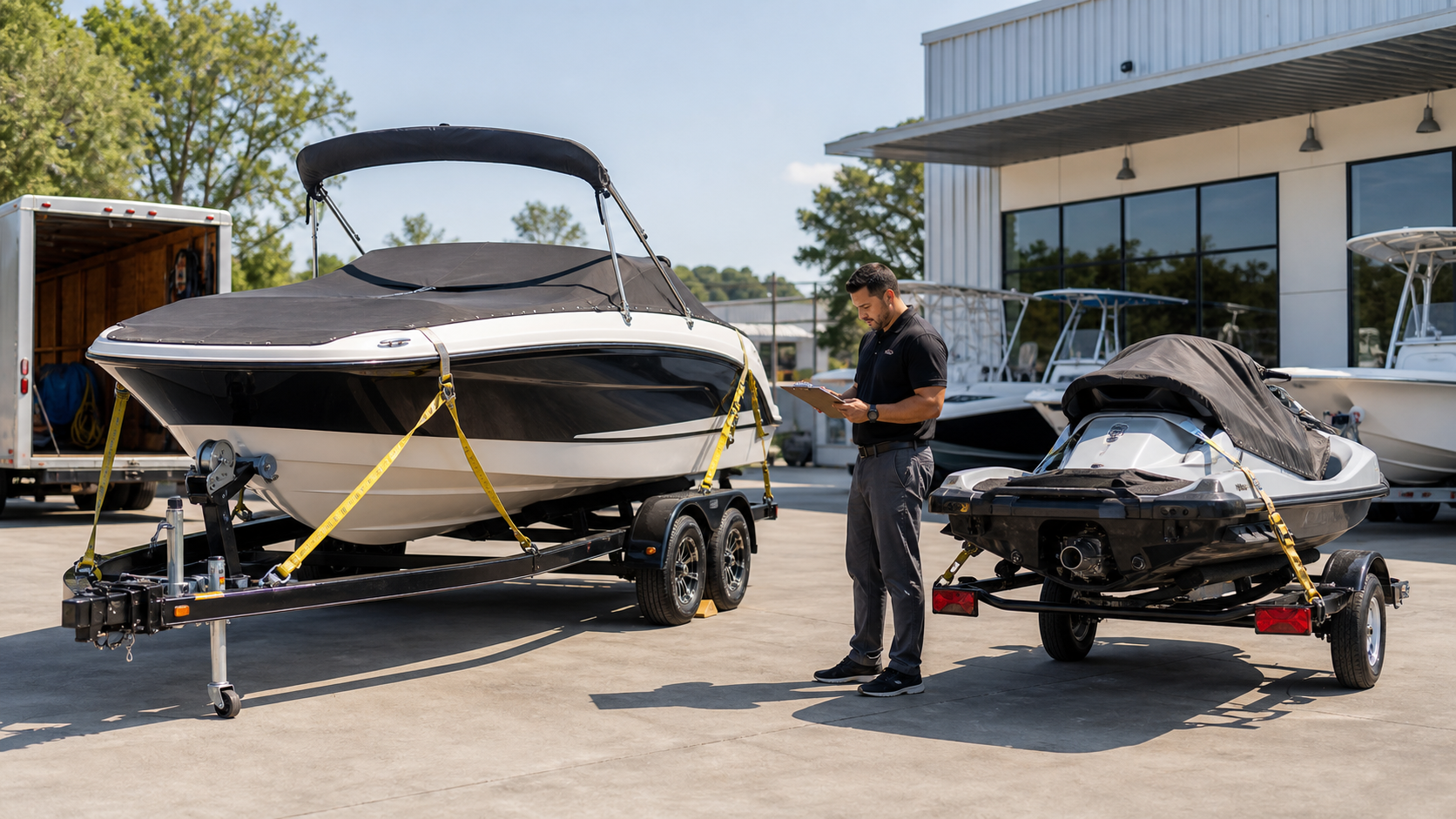
Products where total dimensions, tie-down points, accessories, and delivery access matter.
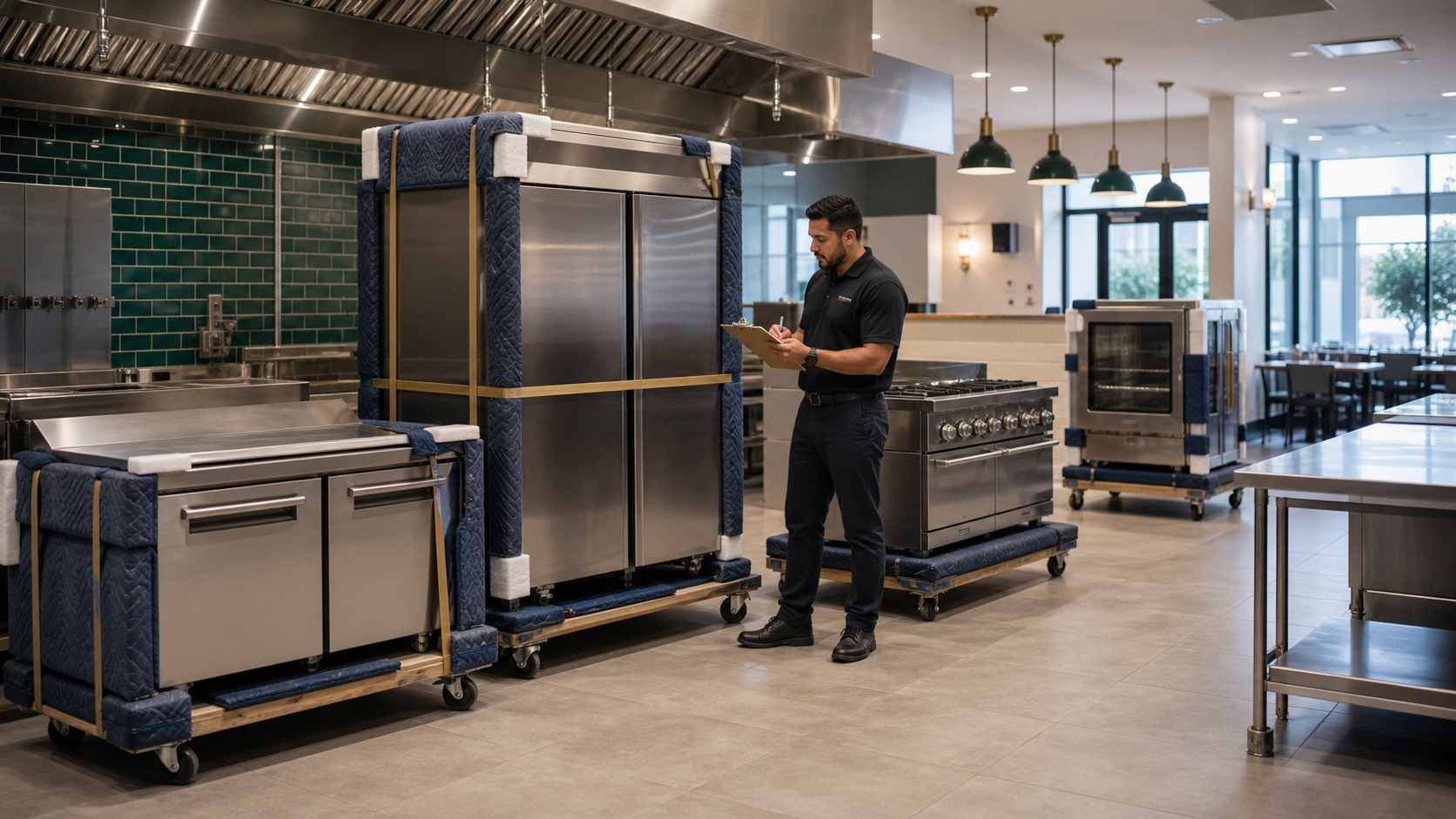
Commercial equipment where access, finishes, site readiness, and receiving windows shape the plan.
Best-fit shippers
The audience can grow, but the common thread stays the same: the freight is part of the customer experience, not just a box on a truck.
Furniture makers, equipment companies, product brands, and commercial suppliers that need the shipment to arrive in usable condition.
Project teamsTeams coordinating furnishings, fixtures, finishes, and delivery timing around a site, client, or project schedule.
Event teamsTeams moving booth structures, display materials, props, graphics, and return freight around fixed venue windows.
Equipment teamsTeams that need receiving details, site access, room-ready placement, and clear coordination before the product arrives.
Shared logistics problems
Different shippers call HHX for the same reason: product condition, timing, access, and communication all need a clear point of coordination.
Installations, show dates, customer appointments, and event windows create real consequences when freight runs late.
Finished surfaces, fragile materials, custom builds, and high-value goods need a handling plan before movement begins.
Homes, offices, venues, showrooms, docks, stairs, elevators, and receiving contacts all affect the right service level.
HHX is valuable when shippers need a clear point of coordination instead of a shipment disappearing between handoffs.
What makes it sensitive
The product tells HHX what to ask next: what it is, when it has to arrive, where it is going, and what needs to happen at the final handoff.
Size, weight, fragility, value, packaging, and whether the delivery is customer-facing.
Appointment windows, show dates, installation schedules, deadlines, and urgent shipment needs.
Pickup, delivery, access, stairs, elevators, docks, receiving contacts, and site constraints.
Placement, condition notes, customer presentation, receiving instructions, and closeout expectations.
Not sure where your shipment fits?
Include the product, timing, pickup, delivery, handling requirements, and who is waiting for the shipment.