HHX LogisticsFreight coordination
LTL / FTL layout v0.2 review

LTL / FTL freight

Domestic freight planned around the load, dock, and delivery window.

HHX helps business shippers decide when freight should move as LTL, partial truckload, full truckload, or a higher-touch plan, then keeps the pickup, carrier handoff, appointment, and receiving details visible.

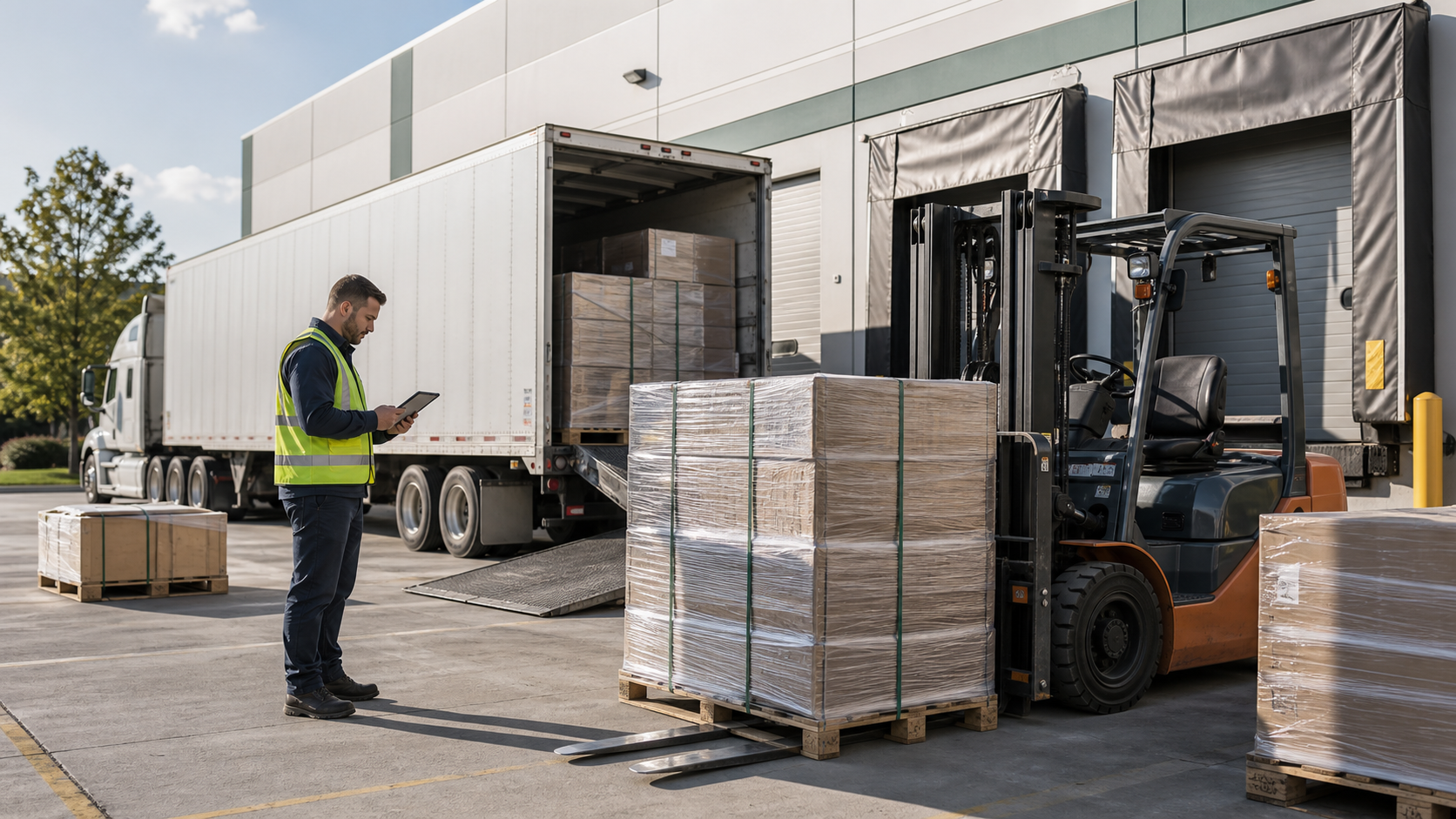
Palletized business freight prepared for LTL and FTL shipment planning at a dock. LTL / FTL freight The right freight plan starts with the product, space, and delivery requirements.

Pallet count, dimensions, weight, dock access, appointment windows, and receiving expectations shape whether a shipment belongs on an LTL truck, a dedicated truck, or something more coordinated.

  • Pallet count
  • Truckload fit
  • Dock access
  • Appointment window

Best-fit freight situations

  • Palletized commercial products moving between businesses
  • Partial-truckload freight that needs better fit than standard LTL
  • Full-truckload freight with scheduled pickup and receiving needs
  • Product brands shipping fixtures, equipment, or larger goods
  • Domestic freight with appointment windows or dock restrictions
  • Freight where updates and handoffs matter to the customer
What HHX coordinates

  • Pickup and delivery requirements
  • Dimensions, weight, pallet count, and freight class inputs
  • Carrier fit and service level
  • Appointment windows and receiving details
  • Communication across shipment handoffs
  • Problem-solving when freight does not move as expected

Freight snapshots

Pallets, docks, and mode fit drive the plan.

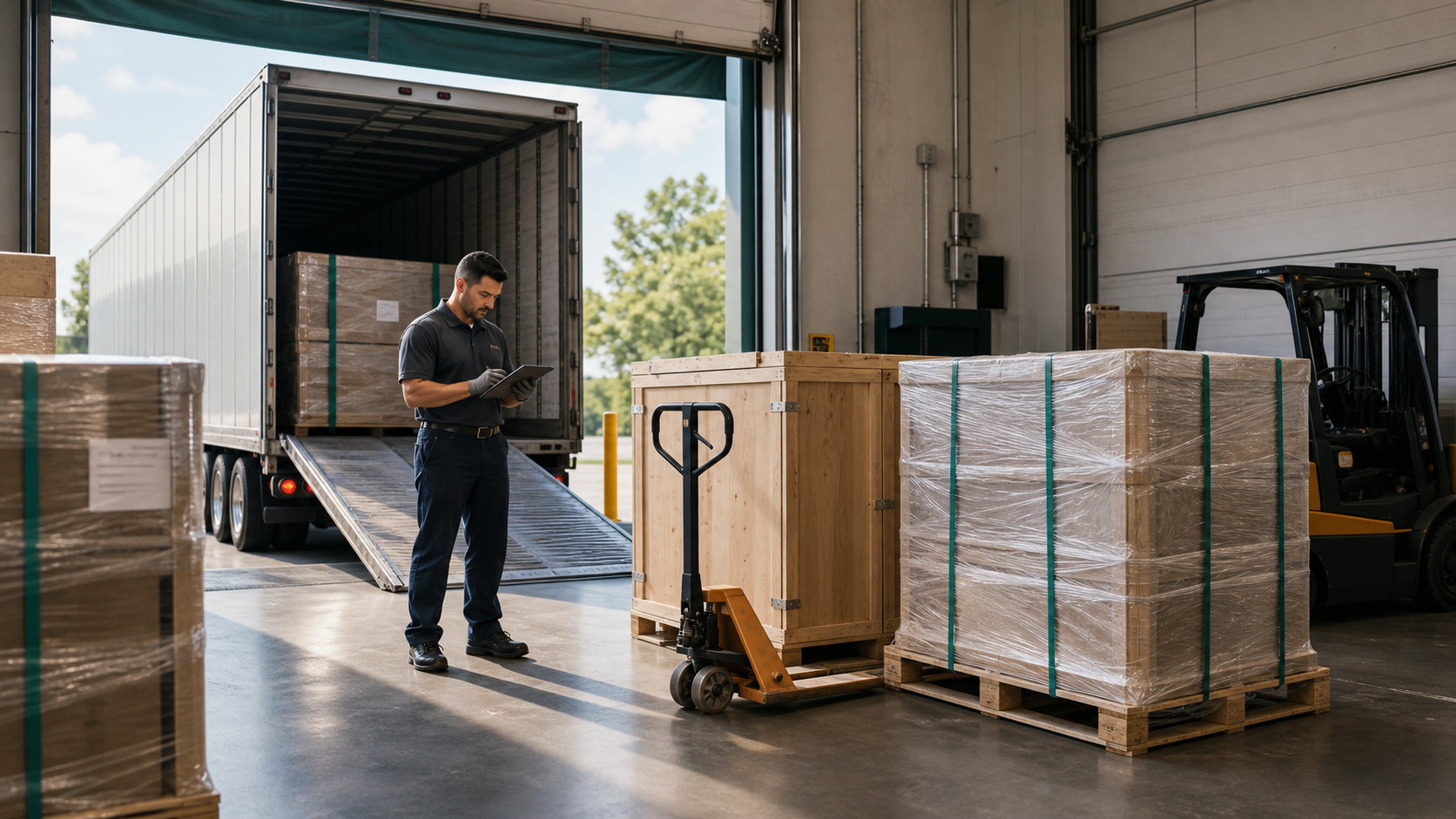
Commercial palletized freight staged near a truck for domestic freight coordination. Dock freight Dock-ready freight still needs the right service fit.

Palletized goods, fixture crates, boxed products, and equipment shipments can look simple until the dock time, receiver requirements, or customer deadline gets specific.

  • Pallets
  • Dock
  • Receiver
  • Carrier fit
Freight terminal activity with pallets, trucks, and loading areas. Mode fit LTL, partial, and FTL decisions depend on more than rate.

The right route depends on the product, pallet count, available truck space, pickup requirements, access limits, and whether the receiver can take the freight on schedule.

  • LTL
  • Partial
  • FTL
  • Appointments

Why freight coordination matters

A rate is not the same as a shipment plan.

Unclear updates

Shippers need to know what is happening, especially when freight is time-sensitive or customer-facing.

Missed appointments

Receiving windows, docks, and scheduled deliveries can create problems when timing slips.

Wrong freight fit

A shipment can outgrow standard LTL before it becomes a clean full truckload, especially when product size, value, or timing matters.

Customer-facing freight

Product businesses need freight coordination that protects goods, timelines, receiving teams, and customer relationships.

Freight proof points

Everyday freight still needs judgment when the shipment represents the brand.

LTL and FTL decisions are not only about finding a truck. HHX looks at what is being shipped, how it is packaged, where it is going, and what has to happen when it arrives.

Fixture shipments Retail fixtures or display components moving to a commercial site.

Coordinate pallet count, dimensions, appointment timing, dock access, and receiving contact before pickup.

Partial truckload Oversized palletized product that needs more space than a basic LTL lane.

Review space, handling exposure, delivery deadline, and whether partial or dedicated service is the cleaner fit.

Scheduled receiving Business freight moving into a facility with dock rules or limited windows.

Keep appointment windows, site contacts, delivery notes, and status updates aligned before the truck arrives.

Palletized domestic freight staged at a freight dock for LTL and FTL coordination.

Freight process

HHX turns freight details into a practical movement plan.

  1. 01

    Define the freight

    Pallet count, dimensions, weight, product type, packaging, pickup, delivery, and timing.

  2. 02

    Match the mode

    HHX reviews whether LTL, FTL, partial, expedited, or project-based handling is the better fit.

  3. 03

    Coordinate the handoffs

    Carrier communication, appointment requirements, receiving details, and status updates stay connected.

  4. 04

    Protect the delivery

    HHX stays involved when freight needs attention before the final dock, site, or customer handoff.

Need domestic freight coordinated?

Send HHX the shipment details and service requirements.

Include pallet count, dimensions, weight, pickup, delivery, timing, access needs, and any appointment windows.

Request LTL / FTL quote