Commercial equipment and fixtures
Treadmills, Weight Systems, and Fitness Equipment Programs
Fitness equipment programs need coordination around product mix, delivery sequence, room access, appointment windows, and receiver readiness. The plan should fit the finished facility, not only the truck route.
Article guide
What this article helps plan
A business shipper needs to coordinate multiple fitness equipment deliveries across rooms, facilities, or customer sites without access failures, missed timing, or disconnected item handoffs.
- Who needs to be aligned before pickup or delivery.
- Which product details affect the freight path.
- Where timing, access, condition, and final placement can create risk.
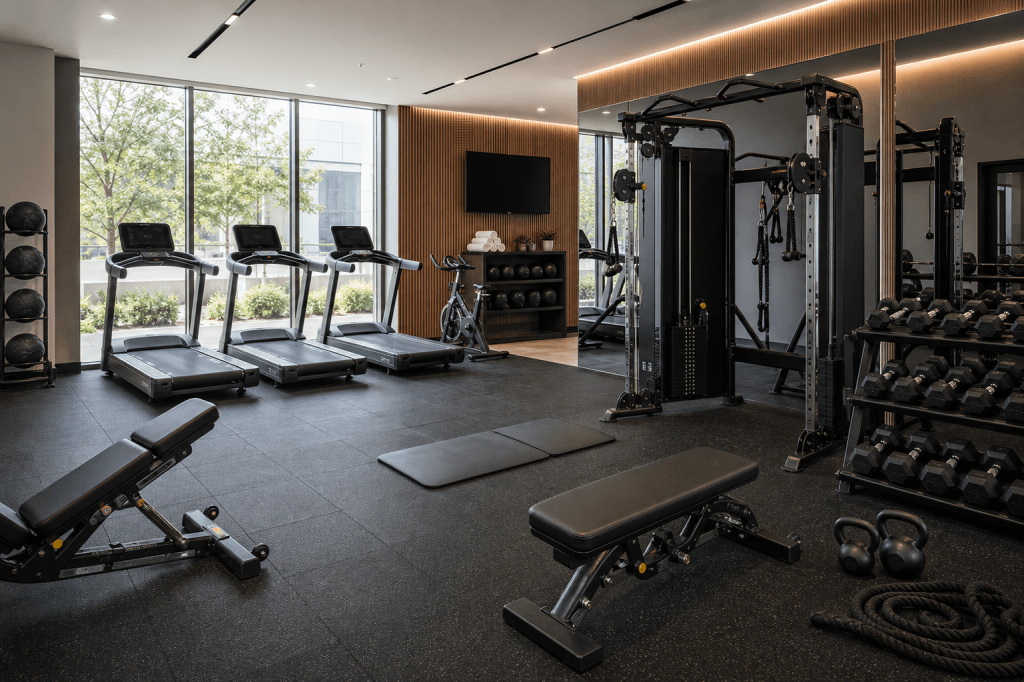
Fitness equipment programs are not always one-machine deliveries. A project may include treadmills, benches, cable machines, racks, dumbbells, kettlebells, mats, consoles, weight stacks, accessories, and multiple room locations. For the shipper, the challenge is making sure the full program arrives in a way that supports the facility schedule and the finished customer experience.
Why this product needs planning
A treadmill shipment may look simple on paper, but the receiving site can change the plan quickly. Equipment may need a dock, liftgate, elevator, wide door path, floor protection, staged receiving area, or appointment window. Weight systems and cable machines add another layer because they can involve multiple pieces, sensitive finishes, heavy frames, moving parts, and accessories that need to stay connected to the main unit.
Details to confirm before pickup
- Product dimensions, weight, finish sensitivity, and packaging condition.
- Pickup and delivery addresses, access notes, receiving contacts, and appointment windows.
- Whether the delivery requires inside placement, stairs, elevators, dock access, or room-ready handling.
Destination and receiving details
For fitness equipment manufacturers, dealers, commercial wellness programs, property teams, and multi-location operators, the delivery is often tied to a larger opening or turnover schedule. A hotel fitness room, apartment amenity space, office gym, training facility, showroom, or commercial wellness room may have a firm date when the equipment must be presentable. The freight plan should support that date instead of treating the delivery as a loose carrier handoff.
How HHX helps coordinate the move
The first useful detail is the product list. A shipper should identify each treadmill, rack, bench, strength unit, dumbbell set, mat package, accessory box, console, and loose component. Dimensions, weights, packaging status, piece counts, and photos help define whether the shipment can move through a standard freight path or needs a higher-touch plan for receiving and placement.
Sequence also matters. If multiple pieces are going to one room, the receiver may need the largest items delivered first, equipment staged by room, or accessories kept with the right machine. If the project spans several facilities, each location may have different dock access, building rules, appointment windows, and receiving contacts. A good plan keeps those location details attached to the right shipment.
Access is one of the main reasons fitness equipment moves become complicated. A machine can fit inside a trailer and still be difficult to move through a finished building. Door widths, hallway turns, elevators, stairs, loading zones, floor surfaces, parking limits, and building management requirements should be reviewed before the truck is on site.
Condition expectations should also be clear. Fitness equipment includes finished frames, rubber surfaces, electronics, screens, upholstery, cables, pulleys, handles, and moving parts. The receiver may need to inspect packaging, count pieces, note visible damage, retain documentation, or confirm that accessories arrived with the correct equipment. Those expectations should be part of the handoff.
HHX should not present every fitness equipment delivery as the same service. Some shipments may fit an LTL or FTL freight plan. Others may need more coordination because of weight, access, appointment timing, room destination, customer-facing placement, or multi-location complexity. The right path depends on the product and the site.
For business shippers, the goal is not just getting equipment to an address. The goal is getting the right equipment to the right room, with the right receiver ready, at the right time. That is why fitness equipment programs need details before the shipment moves: item list, dimensions, weights, packaging, site access, room destination, appointment window, receiver contact, and any final staging expectations.
When those details are visible early, the delivery can be planned around the finished facility instead of being solved at the curb. That protects the product, reduces avoidable delays, and gives the receiving team a clearer path from shipment arrival to room readiness.
Next step for shippers
Send the shipment details before the freight path is assumed.
HHX can review product dimensions, access notes, timing, packaging, and delivery requirements before the shipment is routed.
Contact HHX