Medical and technical equipment
Medical Diagnostic Equipment Delivery and Receiving
Diagnostic equipment delivery depends on product condition, packaging, access, appointment timing, and the receiving handoff. The freight plan should account for the device and the clinical or demo space receiving it.
Article guide
What this article helps plan
A business shipper needs guidance for coordinating delivery of diagnostic equipment into a clinic, demo room, facility, or technical receiving environment.
- Who needs to be aligned before pickup or delivery.
- Which product details affect the freight path.
- Where timing, access, condition, and final placement can create risk.
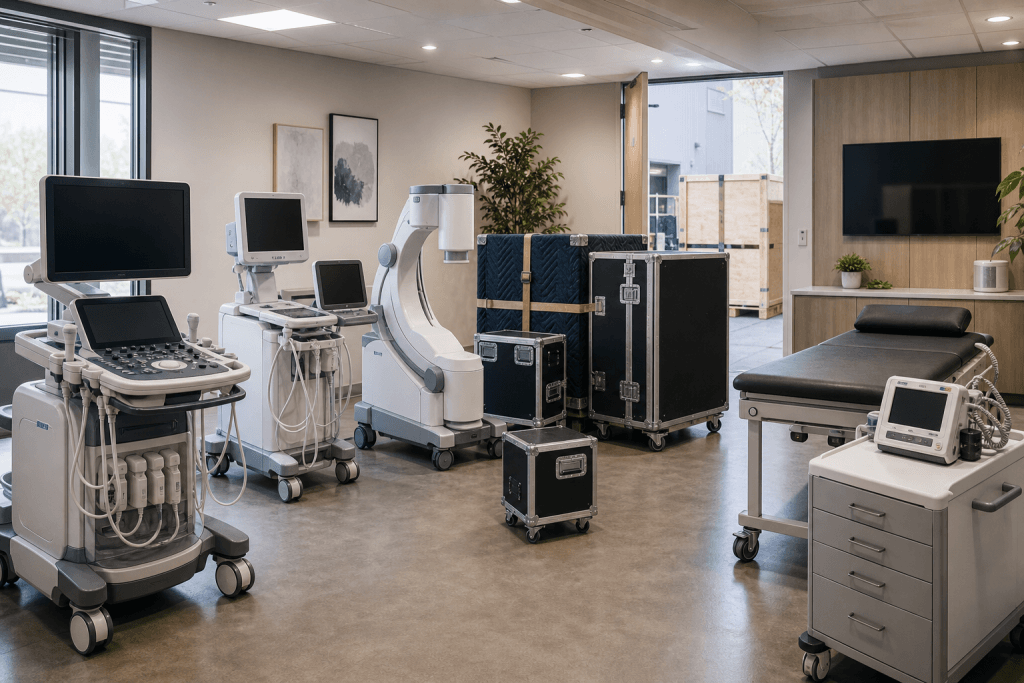
Medical diagnostic equipment often moves through freight channels, but it should not be treated like ordinary freight. The product may include screens, controls, sensors, carts, accessories, finished housings, or sensitive components. It may be moving into a clinic, demo room, sales environment, technical training space, facility, or customer site where the receiver expects condition, timing, and documentation handoffs to be clear.
Why this product needs planning
For equipment companies and operations teams, delivery is a critical part of the customer experience. A device can be sold correctly, packed correctly, and scheduled correctly, then still create frustration if the final receiving details are vague. Who is accepting the equipment? Is the room ready? Is there dock access? Are there stairs, elevators, or clearance issues? Does the delivery need to happen by appointment? These questions should be answered before the truck is at the site.
Details to confirm before pickup
- Product dimensions, weight, finish sensitivity, and packaging condition.
- Pickup and delivery addresses, access notes, receiving contacts, and appointment windows.
- Whether the delivery requires inside placement, stairs, elevators, dock access, or room-ready handling.
Destination and receiving details
The first planning step is the equipment profile. The shipment should identify the device type, dimensions, weight, packaging, crate or pallet status, accessories, and condition sensitivity. Photos can help clarify shape, handling points, and packaging. If the item includes fragile surfaces, screens, panels, controls, or detachable components, those details should be visible in the handling notes.
How HHX helps coordinate the move
Pickup readiness matters too. Diagnostic equipment may ship from a manufacturer, distributor, warehouse, demo site, or service location. The pickup contact should know whether the equipment is released, packed, labeled, and ready. Dock access, liftgate needs, pallet or crate dimensions, and reference details should be confirmed. A missed pickup or incomplete release can affect downstream appointment windows.
Receiving is where many equipment deliveries become more complex. Clinics and facilities may have limited dock hours, controlled entrances, narrow hallways, elevators, security check-ins, or room-specific delivery requirements. Public copy should not imply legal or clinical authority, but it can acknowledge the practical logistics truth: the receiving environment matters. A diagnostic device may need a clear path from the truck to the intended room or staging area.
Appointment timing is often essential. The receiver may be a clinic manager, facilities contact, technician, sales representative, or operations lead. If the equipment is connected to training, installation, demonstration, or a customer commitment, vague arrival timing can create unnecessary stress. Delivery coordination should include the appointment window, receiver name, phone number, site instructions, and any closeout expectations.
Condition communication should be practical and specific. If the receiver needs to inspect packaging, note visible damage, confirm piece count, or retain documentation, those instructions should be part of the handoff. Serial or reference details may be relevant depending on the shipper's process, but public content should keep the claim modest: the delivery plan should support clear documentation handoffs where appropriate.
Diagnostic equipment can also require a service-level decision. Some shipments may fit an LTL or FTL path with strong coordination. Others may need white-glove or high-care delivery because of access, condition sensitivity, or customer-facing expectations. The correct path depends on the product, packaging, destination, and timeline.
HHX helps coordinate diagnostic equipment delivery by connecting product details with site realities. The goal is not to overcomplicate the move. It is to prevent important details from being discovered too late. Equipment type, packaging, access, appointment timing, receiving contact, and closeout needs should all be visible before dispatch.
For medical and technical equipment shippers, a careful delivery plan supports the customer relationship. The equipment needs to arrive in the right condition, at the right time, with the right person ready to receive it. That kind of coordination is what keeps a sensitive shipment from becoming a last-mile scramble.
Before requesting delivery support, equipment teams should collect the basics that usually determine the plan: product type, dimensions, weight, packaging, photos, pickup readiness, site contact, receiving hours, access path, and any appointment requirements. If the equipment is part of a demo, launch, replacement, or room setup, that context should be included too. The more clearly the shipment is tied to the receiving environment, the easier it is to choose a practical service path and avoid leaving the final handoff to guesswork.
Next step for shippers
Send the shipment details before the freight path is assumed.
HHX can review product dimensions, access notes, timing, packaging, and delivery requirements before the shipment is routed.
Contact HHX